



Dogs don’t just bark—they talk with their bodies. From posture to tail wags and ear twitches, every movement tells a story about how they’re feeling. Learning to read these signals can make life with your furry friend much happier—and safer—for both of you.
- Posture: A relaxed, loose stance usually means a content dog. A stiff body, raised hackles, or standing tall? That could be anxiety, defensiveness, or even aggression. Meanwhile, a low posture with a tucked tail often signals fear or submission. Watching your dog’s posture gives you immediate insight into their emotional state.
- Tail Talk: Wagging tails are classic signs of excitement, but the details matter. A low wag might indicate insecurity, a broad, sweeping wag shows happiness, and a high, stiff wag can mean agitation. Tail position, speed, and movement all tell a different story.
- Ear Signals: Ears act like emotional antennas. Forward ears usually indicate curiosity or alertness, while pinned-back ears can signal fear or submission.




Happy Pup Signals
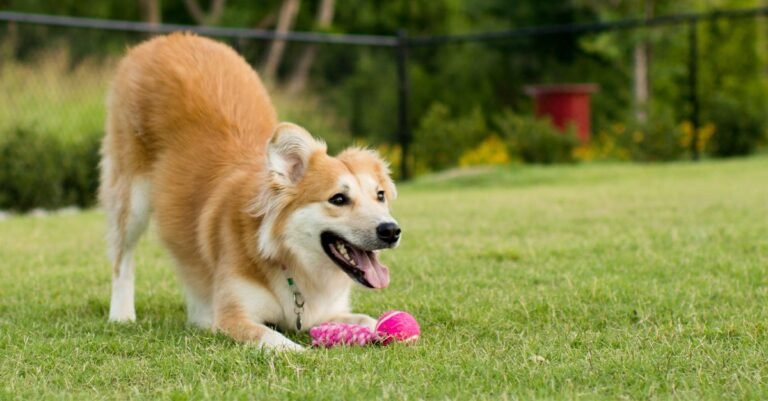
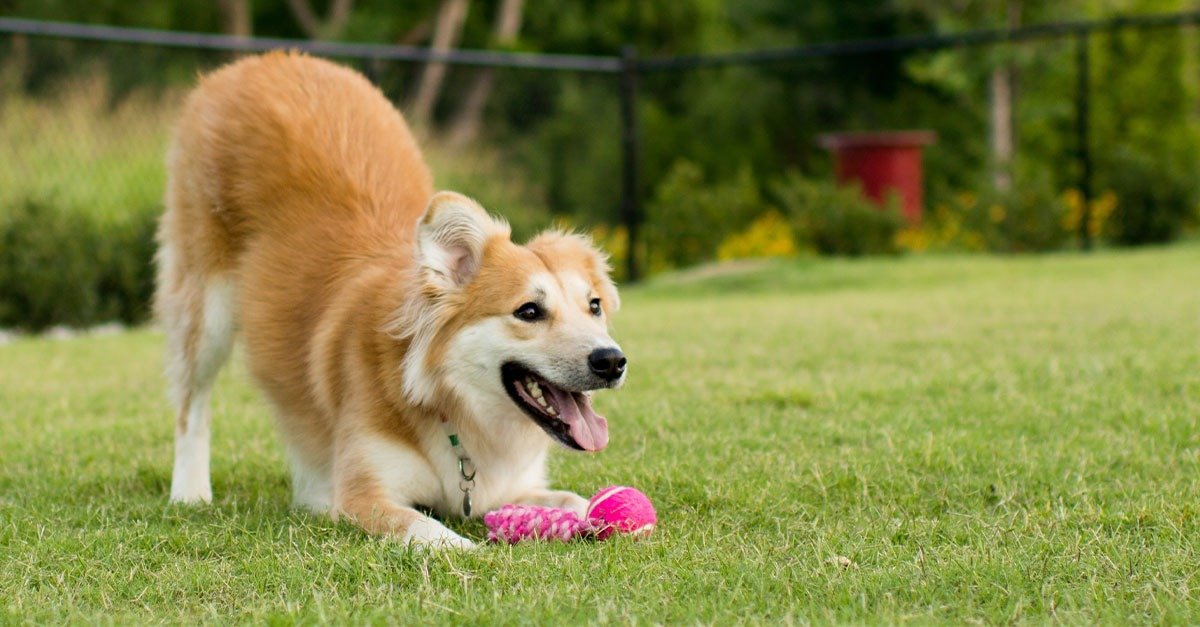
Happy dogs show it in more ways than a wag. Relaxed ears, a tail held naturally or slightly high, and the playful play bow—forelegs stretched, rear up—invite interaction and play. Joyful dogs often move with energy, explore their surroundings, and respond to affection with enthusiasm.
Creating an environment that encourages these behaviors—like daily walks, socialization, and enrichment games—keeps your dog mentally stimulated and emotionally fulfilled. Puzzle toys, scent games, or even a new park adventure can boost their well-being and strengthen your bond.
- The dog biscuit features a crunchy outer shell surrounding a center filled with real bone marrow, delivering two layers of meaty goodness.


Stress Signals
Stress in dogs isn’t always obvious. Look out for tucked tails, lifted hackles, yawns, or avoidance of eye contact. These cues often appear in situations that feel overwhelming—like a busy street, loud noises, or meeting strangers. Recognizing these subtle signs lets you step in before stress escalates into fear-based behavior.
How to Respond
- Fear: Sit calmly beside your dog, speak softly, and provide reassurance. Don’t force interaction.
- Excitement: Redirect energy with toys or games that encourage focus.
- Good Behavior: Reward calm, brave, or positive actions with praise or treats to reinforce them.
- Avoid Punishment: Harsh corrections can increase anxiety. Gentle guidance, patience, and distraction are far more effective.
Understanding your dog’s body language isn’t just about safety—it’s about connection. The more you tune into their signals, the stronger your bond will be, and the happier both of you will be in daily life. A little attention goes a long way in turning good days into great ones for you and your furry friend.