






As dog owners, we all want the best for our furry friends — especially when it comes to what they eat. While some human foods are off-limits, others are surprisingly nutritious, safe, and even recommended for dogs (in moderation, of course!). Here are seven everyday foods that can give your dog a tasty and healthy boost.
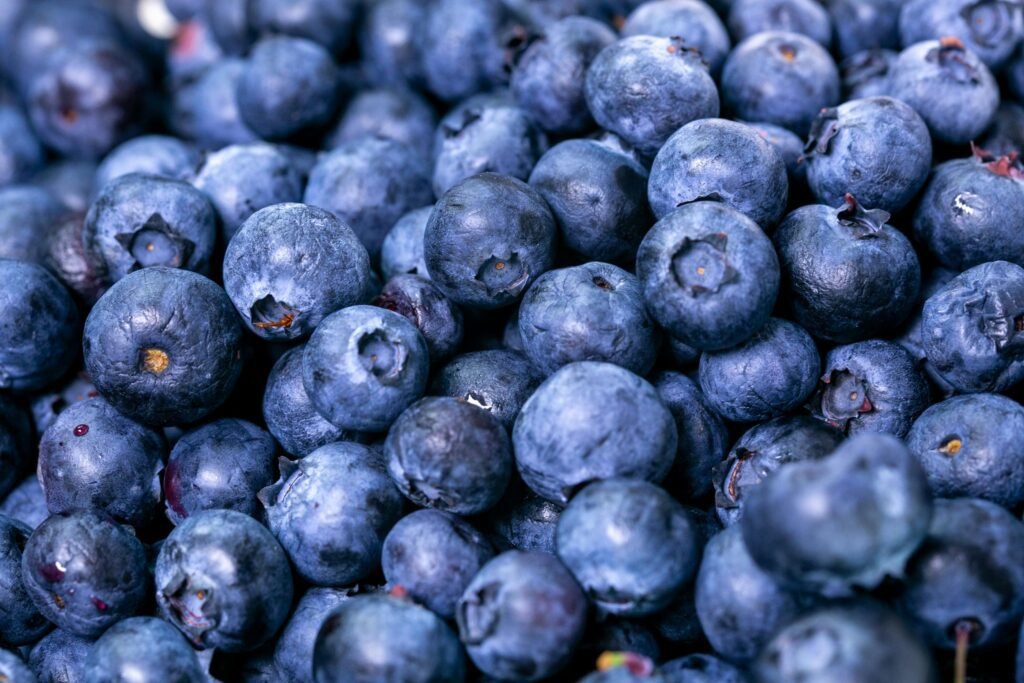
1. Blueberries — The Tiny Powerhouse Snack
Blueberries aren’t just a superfood for humans. They’re packed with antioxidants, fiber, and vitamins, making them a perfect low-calorie treat for dogs. Many trainers even use frozen blueberries as quick training rewards.
How to serve: Fresh or frozen, a handful at a time.
2. Carrots — Crunchy, Sweet, and Great for Teeth
Carrots are an amazing dog snack because they’re high in fiber and beta-carotene, and the crunchiness helps naturally clean your dog’s teeth.
How to serve: Raw baby carrots or lightly cooked carrot slices.

3. Pumpkin — A Digestive Hero
Pumpkin is famous for supporting healthy digestion. It’s great for dogs with sensitive stomachs, diarrhea, or constipation.
How to serve: A spoonful of plain, canned pumpkin mixed into meals.
(Avoid pumpkin pie filling — it contains sugar and spices that aren’t safe.)
4. Apples — Sweet, Crunchy, and Full of Vitamins
Apples provide vitamins A and C, plus healthy fiber. Dogs love the sweetness and crunch.
How to serve: Sliced apples with seeds and core removed.


5. Plain Yogurt — Gentle on the Gut
Plain, unsweetened yogurt is rich in probiotics, which support gut health and digestion. It’s also a good source of calcium and protein.
How to serve: A small spoonful on top of kibble or frozen in a Kong toy.
(Avoid flavored or sweetened yogurts — especially those with xylitol.)
6. Green Beans — The Perfect Low-Cal Snack
Green beans are a healthy treat for overweight dogs. They’re low in calories and high in nutrients, making them great fillers for dogs on a diet.
How to serve: Fresh, steamed, or frozen — no salt or seasoning.
7. Salmon — A Skin and Coat Booster
Rich in omega-3 fatty acids, salmon supports brain function, reduces inflammation, and promotes a shiny coat.
How to serve: Cooked, boneless salmon.
(Never feed raw salmon — it may contain harmful parasites.)




A Few Safety Reminders
While these foods are generally safe and healthy, always remember:
- Introduce new foods slowly.
- Watch for any allergic reactions.
- Avoid seasoned, salted, or spiced foods.
- Portion control is important — treats (even healthy ones!) should be less than 10% of daily intake.
Final Thoughts
Healthy snacking doesn’t have to come from fancy treats. Sometimes, the best options are already sitting in your fridge. These seven foods are not only dog-friendly but also delicious, wholesome, and easy to prepare. Your pup will appreciate the variety — and you’ll love knowing you’re giving them something good!